
What a Private Yoga Class Really Is
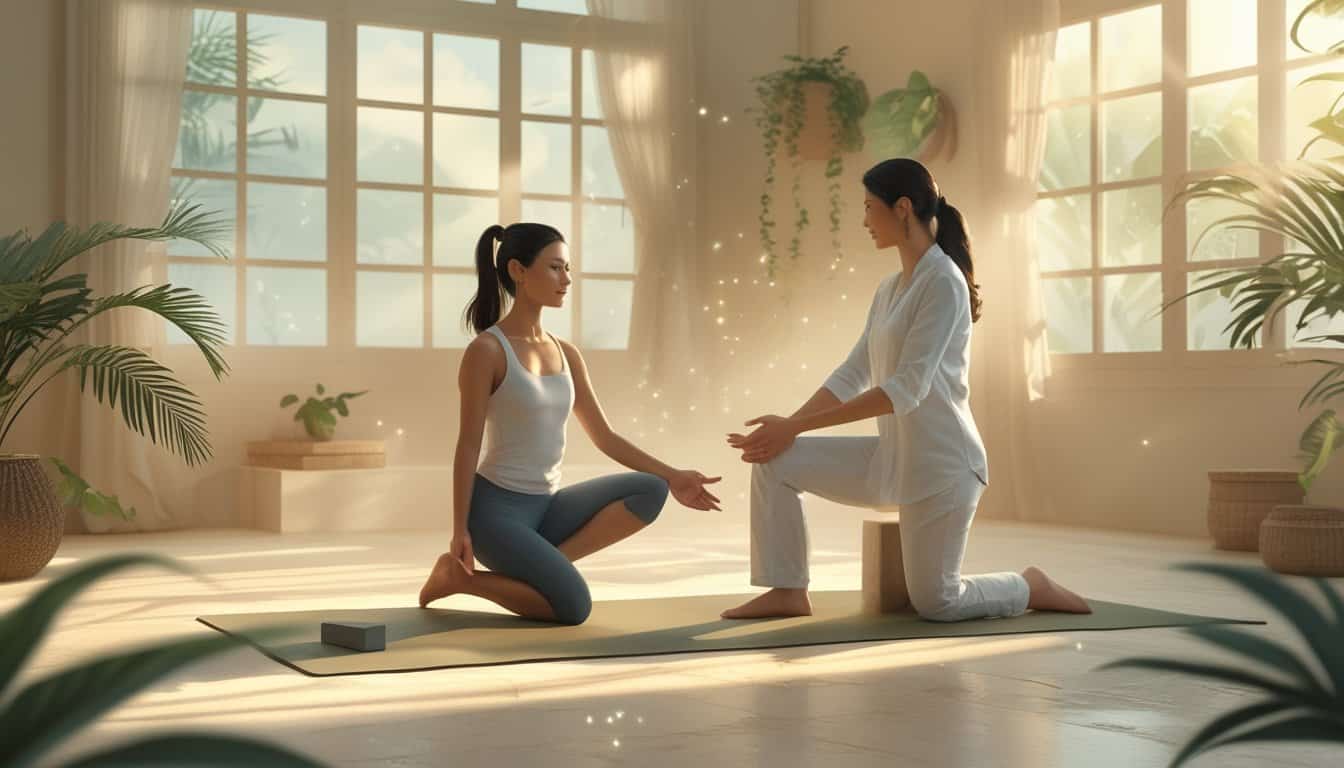
A private yoga class is exactly what it sounds like: yoga with the spotlight on you, not on a crowded room trying to remember whether left foot means the other left. Instead of following a one-size-fits-all flow, you get a session shaped around your body, your goals, and your comfort level.
For beginners, that can be a huge relief. You do not need to keep up with faster students or pretend you understand Sanskrit on day one. Your instructor can slow things down, explain the basics, and adjust poses so they actually make sense for you. According to the National Center for Complementary and Integrative Health, yoga may help improve strength, balance, and flexibility, and personalized instruction can make it easier to practise safely and consistently.1
Why You Might Choose Private Lessons
People book a private yoga class for many reasons, and not all of them involve being extra fancy. Some want more confidence before joining a group class. Others have tight schedules, specific fitness goals, or a body that needs a gentler approach than a generic class can offer.
If you are dealing with stiffness, recovering from a long period of inactivity, or simply feeling awkward about starting, one-to-one instruction can help you build a stronger foundation. The instructor can watch your alignment, answer questions in real time, and keep the session at a pace that feels sensible rather than mildly chaotic.
What Happens During a Session
Your first private yoga class usually starts with a short chat. The instructor may ask about your experience, your goals, and any areas of discomfort. This is the part where you should be honest, even if your current exercise routine is mostly “walking to the fridge.”
After that, the class often includes breathing, warm-up movements, basic poses, and a cooldown. Unlike a group class, the sequence is flexible. If a pose feels too intense, it can be modified. If something clicks beautifully, the instructor can build on it. The session is meant to fit you, not force you into a template.
Breathing and Preparation
Before the poses begin, you will usually spend a few minutes learning how to breathe more intentionally. This sounds simple, but it can be surprisingly useful. Steady breathing helps you settle your body and pay attention to movement without feeling rushed.
You may also learn how to use props such as blocks, straps, or a folded blanket. These tools are not “cheats”; they are support. In yoga, support is not a scandal.
Basic Poses and Adjustments
The instructor will likely introduce a small number of foundational poses, such as mountain pose, cat-cow, downward-facing dog, or gentle seated stretches. Each pose can be adjusted to suit your flexibility, balance, and confidence level.
This is where a private yoga class shines. If your shoulders are tense or your hamstrings are protesting, your instructor can change the setup so you are not fighting your own body the entire time.
How to Choose the Right Instructor
Picking the right teacher matters, because a private yoga class works best when you feel comfortable asking questions and saying, “That stretch is a bit too dramatic for me.” Look for someone with proper training, clear communication, and experience teaching beginners.
It also helps if the instructor’s style matches your needs. Some teachers are calm and gentle; others are more structured and technical. You do not need the “perfect” teacher, but you do want one who listens, explains well, and makes you feel at ease rather than auditioning for an advanced pose you never asked for.
Questions to Ask Before You Book
Before you commit, ask about the teacher’s certification, teaching experience, and how they customise sessions. You can also ask whether they work with beginners, older adults, or people with limited mobility, depending on your needs.
It is also smart to ask how the class is conducted, whether online or in person, and what you should prepare beforehand. A good instructor should be happy to answer without making you feel like you are submitting a university application. Related source: LA Pilates Yoga Studio.
Getting the Most Out of Your Private Yoga Class
To make your first private yoga class worthwhile, go in with a simple intention. You do not need a grand spiritual declaration. It can be as basic as wanting to improve flexibility, reduce stiffness, or learn the poses properly without feeling lost.
Wear comfortable clothing, keep water nearby, and be ready to speak up during the session. If a movement feels uncomfortable, say so. If you want more challenge, say that too. The whole point of private instruction is that the class can adjust to you, not the other way around.
Progress may feel slow at first, especially if you are new. That is normal. The best gains often come from learning good habits early, building confidence, and practising regularly. Over time, the private format can make yoga feel less intimidating and a lot more doable.
In the end, a private yoga class is a practical, flexible way to start yoga with personal attention and less guesswork. You get guidance, room to ask questions, and a session that respects your pace. For a beginner, that is a pretty solid deal.
References: National Center for Complementary and Integrative Health: Yoga for Health: What the Science Says.